
Are You Ready to Quit Dieting? (Because Honestly… You’ve Been Ready)
TL;DR
Dieting is exhausting, restrictive, and often causes more harm than good long-term.
It’s hard to quit dieting because diet culture is everywhere and quitting means letting go of false promises.
Long-term dieting can damage your relationship with food, body trust, and mental health.
Quitting dieting can lead to more peace, flexibility, body neutrality, and sustainable wellbeing.
If you’ve ever said, “This is the last diet I’m ever doing,” and genuinely meant it — only to find yourself back on another plan months (or years) later — welcome. You’re not weak, broken, or lacking discipline. You’re human. And you’re living in a world that taught you dieting was the solution to basically everything.
Most adults have spent years — sometimes decades — dieting. Counting calories. Cutting carbs. Swearing off sugar. Tracking points. Starting fresh on Mondays. Blaming themselves when it doesn’t stick. Rinse, repeat.
So if a quiet (or not-so-quiet) voice inside you has been whispering, “I can’t do this anymore,” we want you to pause and hear this clearly:
That voice isn’t giving up. It’s waking up.
This post is here to help you answer a question so many people are secretly Googling at 2 a.m.:
Am I ready to quit dieting?
Spoiler alert: if you’re even asking, you probably are.
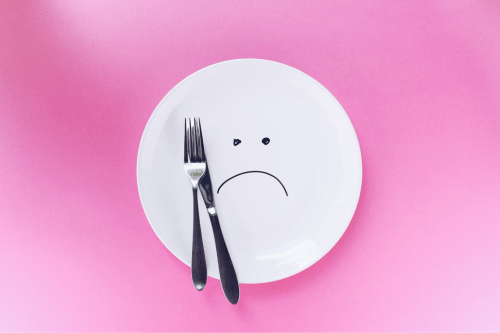
Why Dieting Is the Actual Worst (Yes, We Said It)
Let’s call it what it is. Dieting is not a neutral health behavior — it’s a system built on restriction, control, and distrust of your body.
Most diets promise:
Control
Confidence
Health
Happiness
What they often deliver instead:
Obsession with food
Constant hunger or cravings
Anxiety around eating and social situations
Guilt and shame when you can’t “stick to it”
A growing belief that you are the problem
Dieting teaches you to override hunger, ignore fullness, and treat satisfaction like something suspicious or indulgent. It turns food into math and eating into a performance you’re always being graded on.
And when your body inevitably responds — by increasing hunger, slowing metabolism, or pushing you to eat — the diet blames you instead of the restriction.
That’s not health. That’s a setup.
Why It’s So Hard to Quit Dieting (Even When You Hate It)
If dieting is so miserable, why is it so hard to stop?
Because quitting dieting isn’t just about food — it’s about unlearning an entire belief system.
1. Diet Culture Is Inescapable
Diet culture is the water we’re swimming in. It shows up in:
Social media “what I eat in a day” posts
Wellness trends disguised as moral superiority
Doctors’ offices that focus on weight instead of behaviors
Casual comments about bodies, food, and exercise
Choosing an anti-diet, weight-neutral approach can feel like swimming upstream — because it is.
2. Dieting Is Tied to Hope and Identity
Many people aren’t just attached to dieting — they’re attached to what dieting promises:
Maybe I’ll finally feel confident.
Maybe life will start when my body changes.
Maybe I’ll be worthy of rest, love, or joy.
Letting go of dieting can feel like letting go of that hope — even though dieting rarely delivered on it in the first place.
3. Dieting Offers Rules (And Rules Feel Safe)
Dieting gives you structure: what to eat, when to eat, how much to eat. Quitting dieting asks you to turn inward and listen to your body instead — something many of us were never taught how to do.
Hard doesn’t mean wrong. It means unfamiliar.
The Long-Term Negative Effects of Dieting (That No One Warned You About)
Dieting isn’t just frustrating in the moment — it can have lasting effects on your body and mind.
Long-term or repeated dieting is associated with:
Weight cycling, which places stress on the body
Increased risk of binge eating behaviors
Disrupted hunger and fullness cues
Lower self-esteem and body dissatisfaction
Chronic stress and food preoccupation
Perhaps the most damaging effect? The belief that your body cannot be trusted.
Over time, dieting teaches you to rely on external rules instead of internal cues — and rebuilding that trust can take years.
The Long-Term Benefits of Quitting Dieting
Quitting dieting is not about “giving up on health.” It’s about redefining it.
Many people who move toward anti-diet, weight-neutral living notice gradual but powerful shifts:
Less mental noise around food
Improved relationship with eating
More flexibility and enjoyment
Increased body trust and neutrality
More emotional energy for things that matter
Health becomes about behaviors and quality of life — not weight. Gentle nutrition replaces punishment. Food becomes food again.
It’s not instant. It’s not linear. But it is deeply freeing.
Signs You’re Ready to Quit Dieting
You might be more ready than you think if:
Dieting feels exhausting instead of motivating
You’re tired of starting over
Food takes up way too much mental space
You want peace more than control
You’re curious about anti-diet or body-neutral approaches
You don’t need to feel confident or fearless. Readiness often shows up as fatigue.
What Quitting Dieting Actually Looks Like
Quitting dieting doesn’t mean chaos, neglect, or “giving up.”
It often means:
Relearning hunger and fullness cues
Practicing gentle nutrition instead of restriction
Allowing satisfaction and pleasure
Letting go of weight as the main measure of health
Building a more neutral relationship with your body
It’s a practice — not a personality trait.
3 Gentle Places to Start When You’re Ready
1. Stop Adding New Rules
You don’t have to break every food rule today — just stop adding new ones. No new diets, detoxes, or resets. Let your nervous system exhale.
2. Practice Gentle Nutrition
Instead of asking, “What should I eat?” try:
What would help me feel nourished and satisfied?
What sounds good and supportive right now?
3. Get Support
Diet recovery is incredibly hard to do alone in a weight-obsessed world. Community and validation matter more than willpower ever did.
How The Diet Recovery Club Can Help 💛
If you’re ready to quit dieting — or even just thinking about it — The Diet Recovery Club is here for you.
We offer:
🎧 A podcast unpacking diet culture and recovery
✍️ Anti-diet, weight-neutral blog content
💌 An email community for support and reminders
🫶 A drop-in support group where you don’t have to explain or justify yourself
You’re not lazy. You’re not broken.
You’re just done with dieting — and that might be the healthiest decision you ever make.

About Alison
Alison (she/her) is a registered dietitian nutritionist (RDN) and yoga teacher based in Fernandina Beach, FL, who supports people feeling lost or overwhelmed around food and body image. After years of internalizing diet culture — complete with restriction, scale-watching, and “normal” exercise — she found peace through curiosity, therapy, and anti-diet principles like weight-neutrality and gentle nutrition. Check out Alison’s practice website here!

About Keri
Keri (she/her) is an LCSW and therapist in private practice in Tampa, FL, whose journey out of chronic dieting fuels her passion for helping others break free from food and body obsession. She’s “read all the books,” lived the struggle herself, and now uses her clinical expertise to guide people toward self-trust and freedom from shame. Check out Keri’s practice website here!
