
Emotional Eating Is Normal (And Anyone Who Says Otherwise Can Chill)
TL;DR - Emotional eating is a normal, human response — not a moral failing or a sign something is “wrong” with you. Food can genuinely serve emotional, psychological, and biological purposes, especially for people with a history of dieting. This post explains why emotional eating happens, when it’s actually helpful, what to do when food doesn’t bring comfort, and how to respond with compassion instead of control. You’re not broken — you’re human.
If you’ve ever eaten when you weren’t physically hungry… welcome to being alive.
If you’ve ever reached for food when you were stressed, sad, lonely, bored, overwhelmed, celebrating, grieving, procrastinating, or just plain existing — congratulations, you are extremely normal.
And yet, emotional eating gets a terrible reputation. Diet culture loves to label it as “bad,” “out of control,” or something that must be stopped immediately. Especially if you have a history of dieting, you’ve probably been told that emotional eating is a problem to fix — not a human experience to understand.
So let’s say this clearly, loudly, and with our whole chests:
Emotional eating is not wrong. It’s not a failure. And it’s definitely not something that automatically needs to be eliminated.
This post is here to normalize emotional eating, explain why it exists, why it may actually serve a purpose, and how to navigate moments when food doesn’t provide the comfort you hoped for — without spiraling into guilt, shame, or another diet.
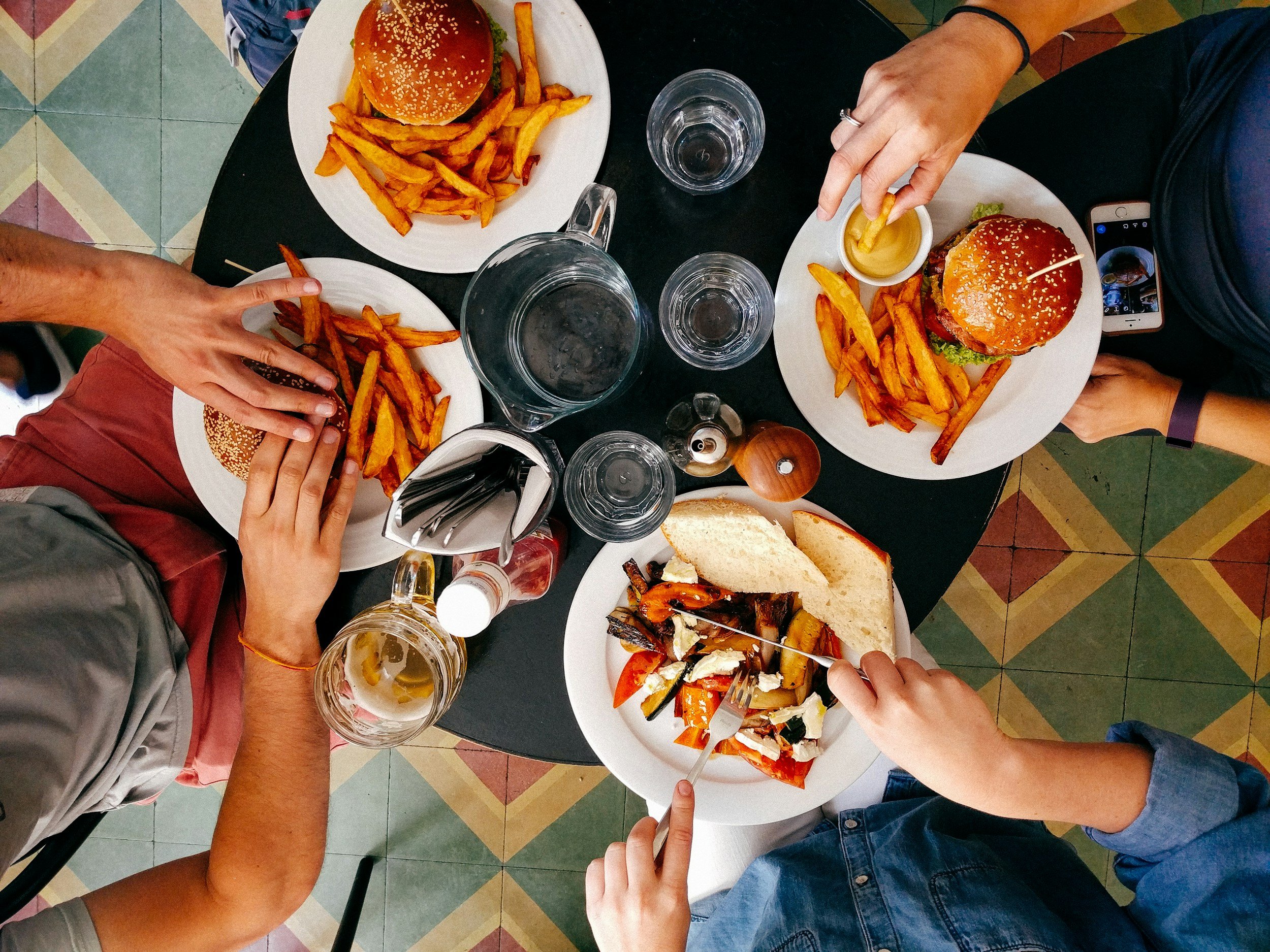
What Emotional Eating Actually Is (And Isn’t)
Emotional eating simply means eating in response to emotions rather than physical hunger alone.
That’s it. That’s the definition.
It might look like:
Eating ice cream after a brutal day
Snacking when you’re bored or procrastinating
Reaching for familiar foods when you feel lonely
Eating past fullness during stressful seasons
Wanting specific comfort foods when you’re overwhelmed
Notice what’s not on that list?
Any moral judgment.
Emotional eating is not:
A lack of willpower
A character flaw
Proof you “can’t be trusted around food”
Automatically binge eating
Something only “undisciplined” people do
Humans eat for reasons beyond hunger all the time — connection, culture, pleasure, memory, celebration, comfort. Pretending otherwise is wildly unrealistic.
Why Emotional Eating Is Completely Normal
Let’s break this down biologically, psychologically, and socially — because emotional eating didn’t appear out of nowhere.
1. Your Brain Is Wired for It
Food activates the brain’s reward system. Eating — especially carbohydrates, fats, and sugars — can increase dopamine and serotonin, which are linked to pleasure and mood regulation.
In other words: food can literally help your nervous system calm down.
So when you’re stressed, anxious, or emotionally depleted, your brain isn’t being dramatic — it’s looking for relief.
2. Food Is One of Our First Comfort Tools
From the moment we’re born, food is tied to care and safety. Being fed often means being held, soothed, and protected.
So of course food feels comforting later in life. That connection didn’t disappear just because diet culture showed up with a calorie tracker.
3. Emotional Eating Often Increases After Dieting
If you have a history of dieting or food restriction, emotional eating can feel more intense.
Why?
Restriction increases preoccupation with food
Deprivation makes comfort foods more alluring
Hunger and emotion blur together
Your body learns to grab nourishment when it can
This isn’t “loss of control.” It’s your body adapting to scarcity.
4. We Live in a Culture That Doesn’t Teach Skills to Navigate Emotions
Most of us were never taught how to feel emotions without fixing, numbing, or avoiding them.
So we cope the best way we know how — and food is accessible, socially acceptable, and effective in the short term.
Again: normal.
The Real Problem Isn’t Emotional Eating — It’s the Shame Around It
Here’s where things get messy.
Emotional eating itself isn’t inherently harmful. What is harmful is:
Being told it’s wrong
Punishing yourself afterward
Restricting to “make up for it”
Turning one moment into a spiral
Diet culture teaches us that we should only eat when we’re physically hungry, stop exactly at comfortable fullness, and never eat for emotional reasons.
That expectation is not just unrealistic — it’s inhuman.
When emotional eating gets framed as a personal failure, it creates:
Guilt
Shame
Anxiety
More emotional distress
And ironically? That emotional distress often leads to more emotional eating.
It’s not the eating that’s the problem — it’s the judgment.
When Emotional Eating Actually Serves a Purpose
Let’s be very clear: emotional eating can be helpful.
Yes. Helpful.
It can:
Provide temporary comfort during distress
Offer grounding when emotions feel overwhelming
Create moments of pleasure in hard seasons
Help regulate a stressed nervous system
Not every coping tool needs to be perfect, optimal, or lifelong to be valid.
Sometimes food is the most accessible form of care you have — and that doesn’t make you weak. It makes you resourceful.
The goal isn’t to eliminate emotional eating.
The goal is to expand your coping options without shaming the ones you already use.
When Food Doesn’t Actually Help (And Then What?)
Here’s the honest part diet culture skips:
Sometimes you eat emotionally… and the feeling is still there.
That doesn’t mean you did anything wrong. It just means the emotion needed something else.
When food doesn’t provide the comfort you hoped for, try this instead of spiraling:
1. Pause the Self‑Blame
No “I shouldn’t have eaten that.”
No mental punishment.
No plans to restrict tomorrow.
Just pause.
2. Get Curious About the Feeling
Ask yourself gently:
What am I actually feeling right now?
What do I need that food can’t give me?
Loneliness might need connection.
Burnout might need rest.
Overwhelm might need boundaries.
3. Offer a Second Layer of Support
Food doesn’t have to be the only comfort.
Some other options:
Texting a safe person
Stepping outside
Crying (highly underrated)
Stretching or lying down
Writing it out
Not as a replacement — as an addition.
4. Eat Enough, Regularly
Under-eating makes emotional eating more intense.
Consistent, satisfying meals and snacks support emotional regulation and reduce the urgency around food.
Restriction fuels chaos. Nourishment creates stability.
Emotional Eating vs. Diet Culture Fear‑Mongering
There is a huge difference between:
Sometimes eating emotionally
Being told emotional eating is always pathological
Many high‑ranking articles online pathologize emotional eating without acknowledging dieting history, trauma, or context.
That’s not helpful — it’s fear‑based.
For people healing their relationship with food, the answer is not more control. It’s more understanding.
What a Healthier Relationship With Emotional Eating Looks Like
It looks like:
Eating emotionally sometimes without shame
Not panicking afterward
Having other coping tools available
Trusting your body again
Letting food be food
It’s not perfect. It’s human.
A Verbal Hug (And a Loving Middle Finger)
If no one has told you this lately, let us be clear:
You are not broken for eating emotionally.
And honestly? A gentle, loving screw you to anyone who says emotional eating is always wrong, unhealthy, or something that must be eliminated.
That take ignores biology, psychology, culture, and lived experience.
You deserve compassion — not correction.
How The Diet Recovery Club Can Support You 💛
If you’re tired of being at war with food and your feelings, The Diet Recovery Club is here for you.
We offer:
🎧 A podcast unpacking diet culture, emotional eating, and recovery
✍️ Blog posts grounded in anti‑diet, weight‑neutral care
💌 An email community (we love emails!)
🫶 A drop‑in support group where you can show up exactly as you are
You don’t need to fix yourself.
You don’t need to stop feeling.
You don’t need to stop eating emotionally.
You just need support — and we’ve got you.
Big hugs,
The Diet Recovery Club 💛

About Alison
Alison (she/her) is a registered dietitian nutritionist (RDN) and yoga teacher based in Fernandina Beach, FL, who supports people feeling lost or overwhelmed around food and body image. After years of internalizing diet culture — complete with restriction, scale-watching, and “normal” exercise — she found peace through curiosity, therapy, and anti-diet principles like weight-neutrality and gentle nutrition. Check out Alison’s practice website here!

About Keri
Keri (she/her) is an LCSW and therapist in private practice in Tampa, FL, whose journey out of chronic dieting fuels her passion for helping others break free from food and body obsession. She’s “read all the books,” lived the struggle herself, and now uses her clinical expertise to guide people toward self-trust and freedom from shame. Check out Keri’s practice website here!
